Craig and Sal Go Global
The caves of Miri and Mulu
May 18, 2013
Upon landing in Borneo we knew that we’d come to quite a different place from Vietnam. We were back in the land of cars, with motorbikes a relative rarity. Everything was newer, more developed and more similar to back home. Also, practically everyone speaks English - in fact it’s the most common language for communicating between groups.
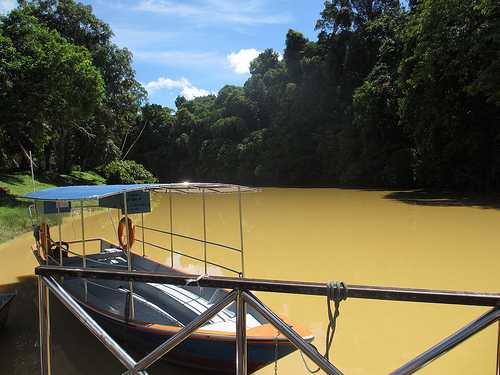
We visited the impressive Niah Caves as a day trip from Miri. The cave is massive and is home to large populations of swiftlets and bats. The local people have a traditional industry collecting the edible bird nests of the swiftlets to sell as a delicacy for use in soups (this is managed in partnership with the national park to ensure sustainability). The cave is several stories tall and there are wooden poles hanging from the roof for the nest collectors to climb.
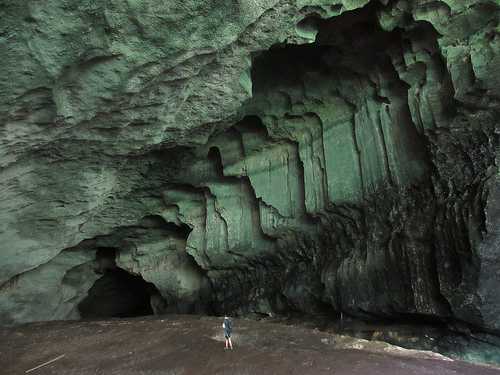
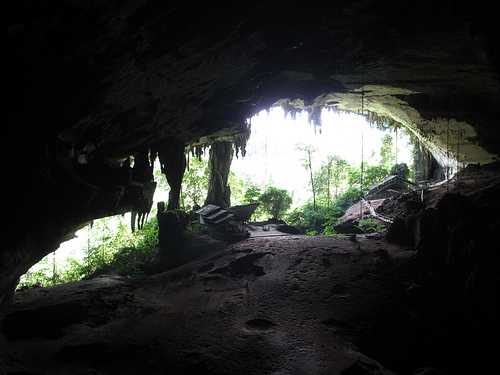
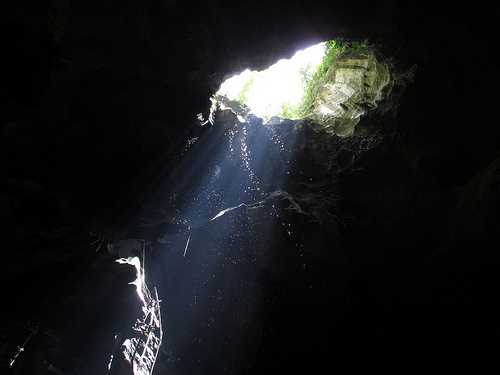
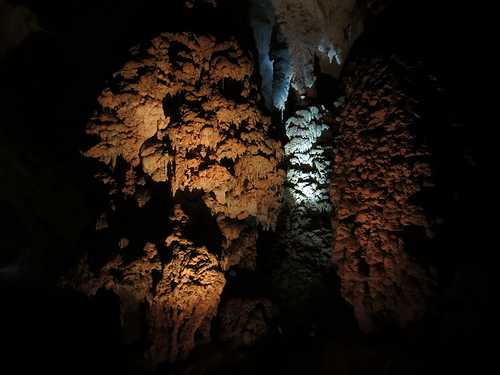
We reached the end of the main chamber of the cave, where sunlight was beaming in through a hole above, then the boardwalk continued through a much tighter passage. Down here there was no natural light or noise from outside. We turned off our torches for a while and listened to the dripping water and occasional flap of bat wings. The deadened acoustics and lack of any outdoor noises make being in a large cave feel like a different world entirely. Amateur photography in a cave produces truly dire results, so you’ll have to use your imagination a bit for the photos in this post!
Gunung Mulu is a remote national park 30 minutes flight from Miri. There is no road access, so travelling here overland takes at least a day, either by foot, in longboats or by four wheel drive. We opted for the easy option of flying. The park is centred on a limestone and sandstone mountain and is home to some famous caves. We stayed in Mulu for a week, and as well as visiting the caves, we planned to complete the three day trek to the Pinnacles, which are sharp limestone formations halfway up the steep sides of Gunung Api.
The customer service at the park was pretty apathetic, and several of the paths we had hoped to walk had been closed for up to a year without saying so on the website. This was frustrating because we had booked a long stay at Mulu and there were very few options for unguided exploration – the park mostly offers more expensive guided trips. But we found enough smaller walks to keep us busy before starting the Pinnacles trek.
Borneo is known for its rich biodiversity, and before long we were coming across lots of weird and wonderful creatures that we hadn’t seen before.
Deer Cave holds the title of “largest cave passage in the world”, measuring 169m wide by 148m tall. That’s tall enough to fit Wellington’s Majestic Centre, with plenty of room left over. It’s hard to believe your eyes inside the cave – the walls and roof are so far away that it seems like they should be the sky rather than solid rock.
You might have seen Deer Cave in the BBC Planet Earth series, which shows the huge piles of guano inside and the nightly bat exodus, when millions of bats leave the cave together to hunt. The bats come out in large swarms, forming huge spirals that twist through the sky in an attempt to thwart predators.
Laing’s Cave nearby is a lot smaller than Deer Cave, but it has lots of detailed formations.
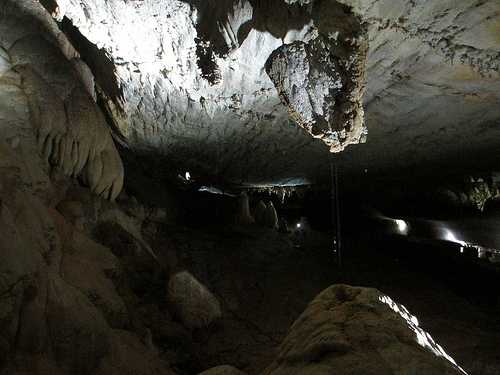
Clearwater Cave is believed to be the largest in the world by air volume, although only a small portion is open to the public. It is the only show cave in the park that still has a river running through. We walked into the cave on a high ridge that offered a great view across the cavern and to the river several stories below.

We visited Clearwater Cave as the first stop on our Pinnacles trek, so it was a nasty surprise to walk out of the cave into a tropical downpour. A forty minute longboat ride and a three hour walk lay ahead of us that day, so we sat under a shelter, ate our lunch and hoped for the rain to stop.
To be continued…

Written by Craig Drayton and Sally Robertson